FxPro Review 2026 – Regulation, Fees, Platforms & Trading Conditions
Introduction
FxPro is a forex and CFD broker founded in 2006. The broker provides access to multiple asset classes, including forex, indices, commodities, shares, and cryptocurrencies, depending on the client’s region and account type.
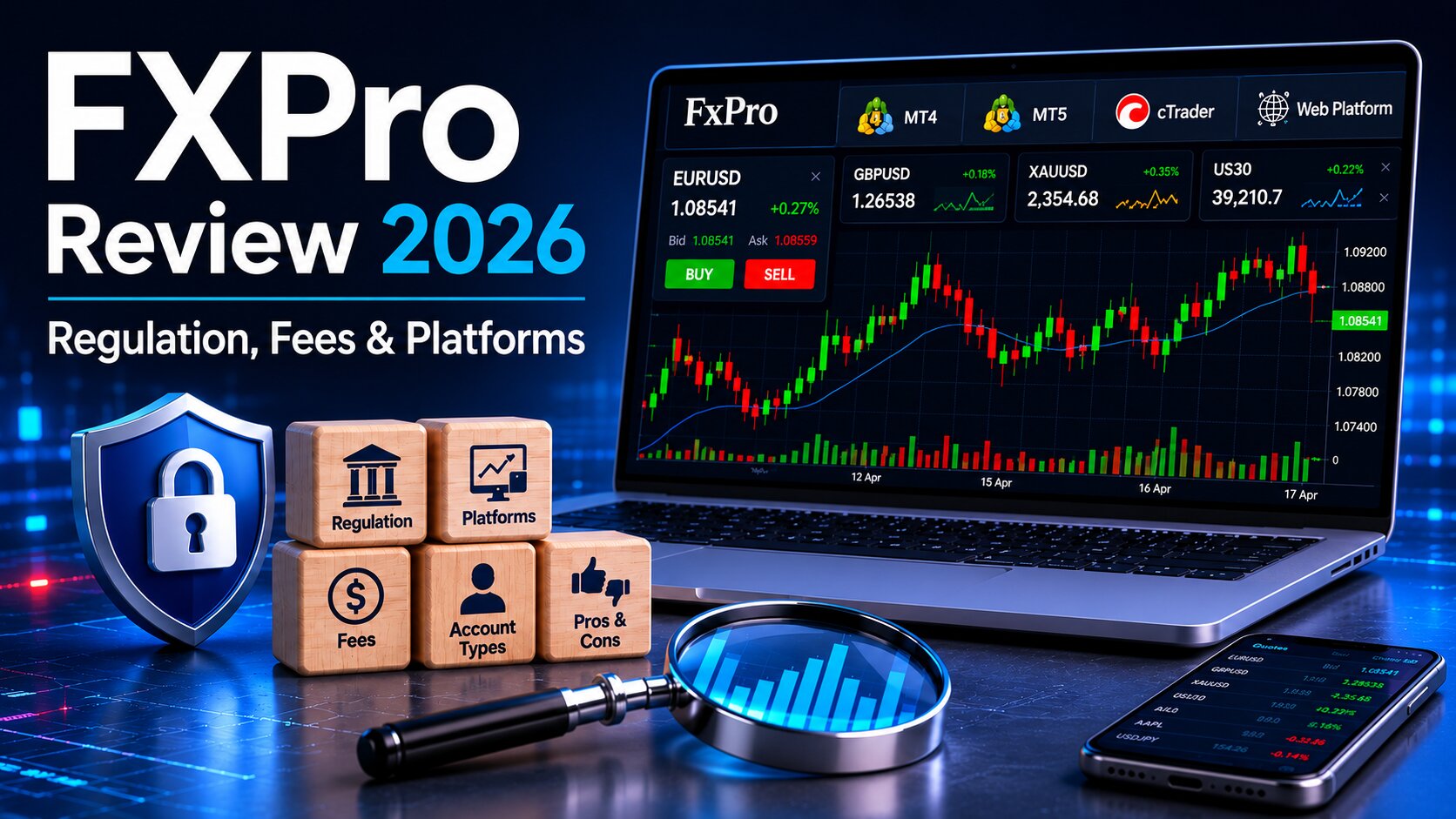
FxPro operates through several regulatory entities and supports multiple trading platforms, including MT4, MT5, cTrader, and its own web platform.
This review looks at FxPro’s regulation, platforms, account types, trading conditions, fees, deposits, withdrawals, user feedback, and main pros and cons. This content is for informational purposes only and is not investment advice.
About FxPro
FxPro was founded in 2006 and has become a well-known broker in the forex and CFD industry.
The broker offers CFD trading on several markets, including:
Forex pairs
Indices
Commodities
Shares
FxPro operates through entities in several jurisdictions, including the UK, Cyprus, South Africa, and the Bahamas.
The broker is mainly known for multi-platform access, variable pricing models, and execution-focused trading infrastructure.
FxPro Regulation & Safety
FxPro operates under several regulatory authorities, depending on the client’s location.
These may include:
FCA in the United Kingdom
CySEC in Cyprus
FSCA in South Africa
SCB in the Bahamas
Regulation matters because it can affect client fund protection, leverage limits, complaint procedures, and operational standards.
Regulated brokers are usually required to follow rules related to client fund segregation, reporting, and compliance.
However, regulatory protection varies by jurisdiction. A client registered under one entity may not receive the same protections as a client registered under another.
Regulation can reduce some broker-related risks, but it does not remove the risks of trading forex or CFDs.
FxPro Trading Platforms
FxPro supports several trading platforms for different trading styles.
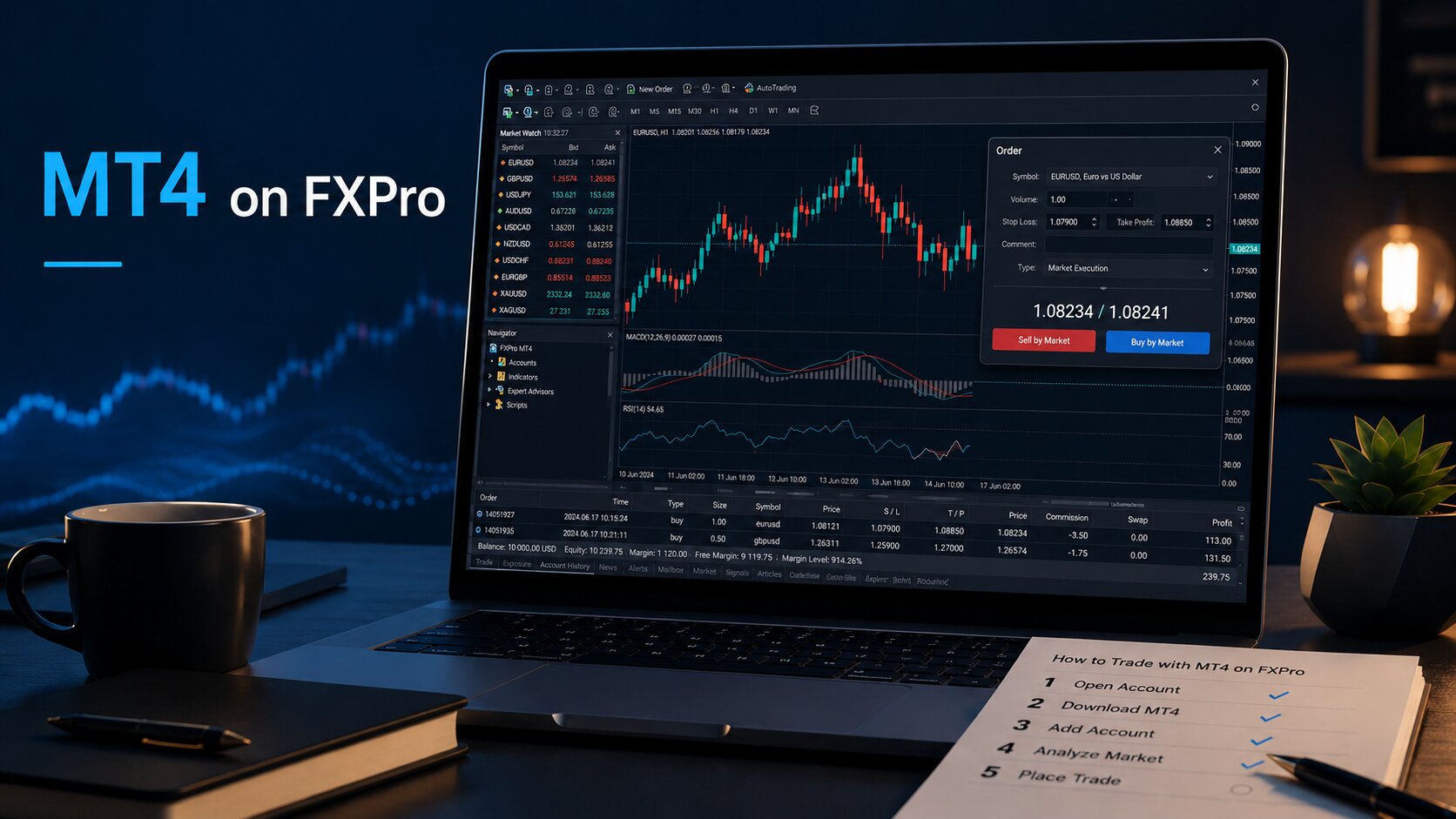
MetaTrader 4
MetaTrader 4, or MT4, is widely used for forex and CFD trading.
It supports charting tools, indicators, Expert Advisors, and custom templates.
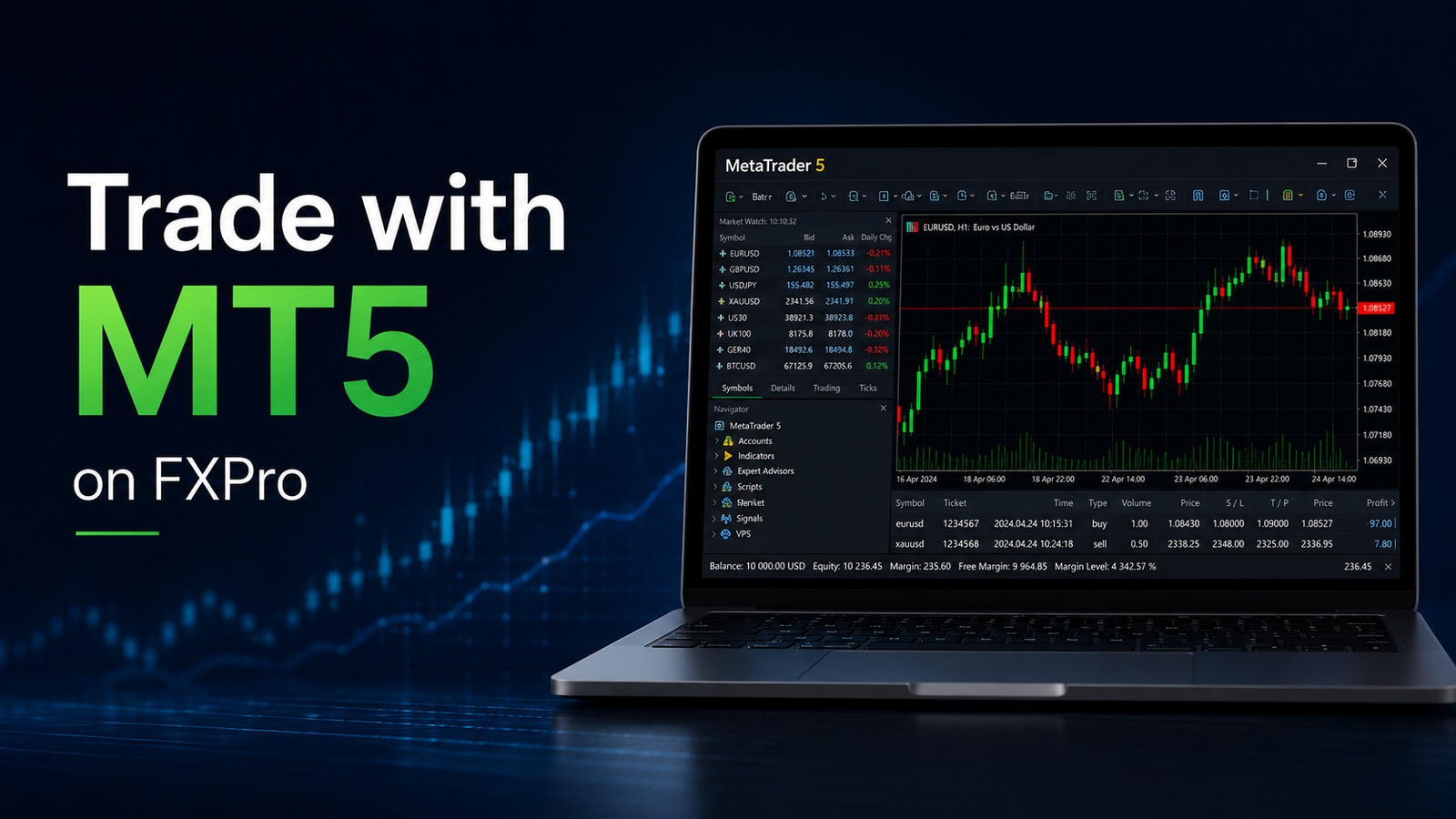
MetaTrader 5
MetaTrader 5, or MT5, offers more order types, additional timeframes, an economic calendar, and improved backtesting tools compared with MT4.
It may suit traders who want a more modern multi-asset platform.
cTrader
cTrader is often used by active traders because it offers advanced order tools, market depth features, and a cleaner interface for short-term trading.
It may be more suitable for traders who focus on execution and lower-spread pricing models.
FxPro Web Platform
FxPro also provides a browser-based trading platform.
This may suit users who prefer not to install desktop software and want simpler access from a web browser.
Overall, FxPro’s platform selection is one of its strongest points, especially for traders who want more than one platform option.
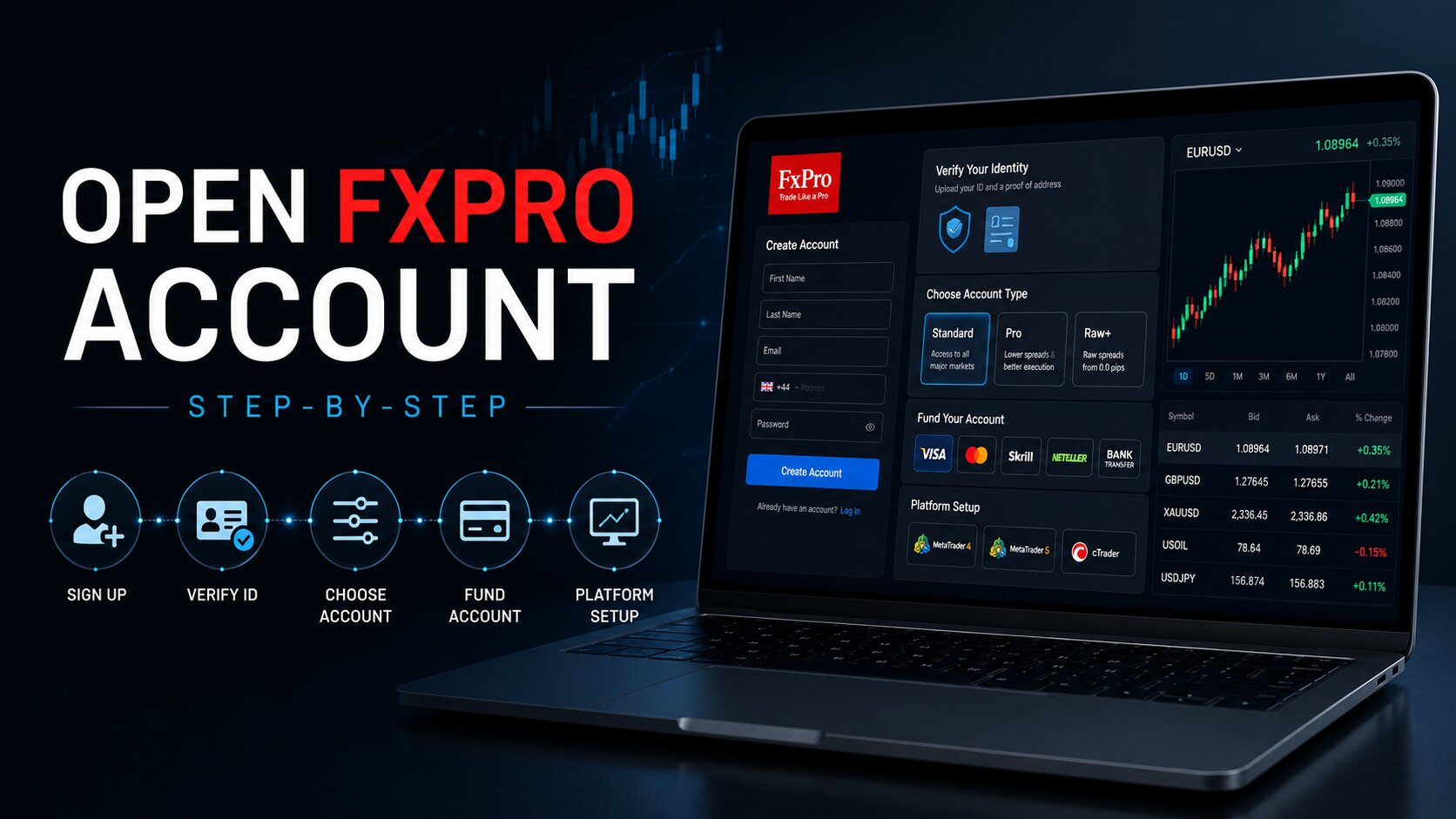
FxPro Account Types
FxPro offers several account types, and availability may vary depending on the client’s region and entity.
Common account options may include:
Standard Account
Raw+ Account
cTrader Account
Elite Account
Islamic Account
Demo Account
Standard-style accounts usually use spread-based pricing. This means the main trading cost is included in the spread.
Raw+ and cTrader-style accounts may offer lower spreads, but commissions can apply.
Islamic accounts may be available for traders who require swap-free conditions.
A demo account is also available for users who want to test the platform before trading with real money.
Traders should compare account conditions carefully because spreads, commissions, platforms, and minimum requirements can differ.
FxPro Trading Conditions & Fees
FxPro trading conditions depend on the account type, platform, instrument, region, and regulatory entity.
Main trading conditions may include:
Variable spreads
Commission on some lower-spread accounts
Minimum trade sizeism 0.01 lot
Market execution
Leverage limits based on regulation and instrument type
Standard-style accounts may have wider spreads but no separate commission in many cases.
Raw+ and cTrader-style accounts may show lower spreads, but commissions should be included when calculating total cost.
Spreads can widen during volatile market conditions, news events, or periods of low liquidity.
Leverage also depends on the client’s jurisdiction. Retail traders under stricter regulators may face lower leverage limits than clients under offshore or international entities.
Before trading, users should check live spreads, commissions, swaps, margin requirements, and contract specifications.
Deposits & Withdrawals
FxPro supports several funding methods, depending on the user’s country and account entity.
Available methods may include:
Bank transfer
Credit and debit cards
E-wallets
Selected regional payment methods
Processing times can vary depending on the payment method, bank, region, and verification status.
Users should confirm available deposit and withdrawal options inside their FxPro account area before funding.
It is also important to check possible third-party fees, currency conversion costs, and withdrawal rules.
Research & Tools
FxPro provides several tools that may support market analysis and trading preparation.
These may include:
Economic calendar
Market news
Trading calculators
Platform tools
Third-party analysis resources
These tools can help traders understand market conditions, but they do not guarantee better trading results.
Trading decisions should still be based on personal analysis, risk management, and market conditions.
User Experience & Public Feedback
Public feedback on FxPro is mixed but generally stable compared with many smaller brokers.
Common positive points include:
Platform variety
Long operating history
Access to MT4, MT5, and cTrader
Regulated entities in several jurisdictions
Common concerns include:
Spread widening during volatile markets
Leverage limits under stricter regulators
Different conditions depending on the entity and region
Trading costs that vary by account type
As with most brokers, user experience can vary based on location, account type, trading style, and expectations.
Traders should review recent feedback, test the platform, and compare account conditions before depositing larger amounts.
Pros & Cons
Pros
Long operating history since 2006
Multiple regulated entities
Access to MT4, MT5, cTrader, and web platform
Several account types
Demo account available
Multiple markets available through CFDs
Different pricing models for different trading styles
Cons
Trading conditions vary by entity and region
Standard-style accounts may have wider spreads
Lower-spread accounts may include commissions
Leverage restrictions apply in some jurisdictions
CFD trading carries significant risk
Spreads can widen during volatile market conditions
Who Might Consider FxPro?
FxPro may suit traders who want access to multiple platforms, including MT4, MT5, and cTrader.
It may also appeal to traders who prefer using a broker with several regulatory entities and a long operating history.
Active traders may prefer to compare Raw+ or cTrader-style pricing, while beginners may want to start with a demo account and review trading costs carefully.
Traders focused mainly on the lowest possible spreads should compare FxPro’s total trading costs with those of other brokers before deciding.
Brokerate’s View on FxPro
From Brokerate’s perspective, FxPro is an established broker with a long operating history, multiple platform options, and regulatory coverage in several jurisdictions.
Its strengths include platform variety, access to MT4, MT5, and cTrader, and account options for different trading styles.
However, users should avoid judging the broker only by brand reputation or advertised conditions. Trading costs, leverage, spreads, commissions, and protections can vary depending on the account type and entity.
For this reason, traders should check the exact conditions available in their own country before opening an account.
FxPro may be worth considering for traders who value platform flexibility and regulated broker structures, but it is not risk-free and may not be suitable for every trading style.
Conclusion
FxPro is an established forex and CFD broker with multiple platforms, several account types, and regulatory coverage across different jurisdictions. Its main strengths are platform choice, long operating history, and flexible account structures.
However, trading conditions vary by entity, region, platform, and account type. Traders should review the exact costs and protections that apply to them before opening an account.
FxPro may be suitable for users who want access to MT4, MT5, cTrader, and a broker with a long market presence. However, forex and CFD trading involve risk, especially when leverage is used. This review is for informational purposes only and is not financial or investment advice.