Is Bitso Safe in 2026? Security, Regulation, Proof of Reserves & User Protection Guide
Security is one of the most important factors when choosing a cryptocurrency exchange. Users are not only looking for a platform where they can buy and sell crypto but also want confidence that their assets, personal information, and transactions are protected.
Bitso is one of the most established cryptocurrency exchanges in Latin America, operating since 2014 and serving millions of users across the region. The platform has built its reputation around regulated crypto access, local payment infrastructure, and security-focused practices.
But is Bitso safe in 2026?
In this Bitso security review, we analyze the exchange’s security architecture, regulation, proof of reserves approach, custody model, user protection features, KYC requirements, and the main risks users should consider before storing funds on Bitso.
Bitso Security Overview 2026
How Secure Is Bitso?
Bitso uses multiple layers of security designed to protect user accounts and digital assets. Like other centralized cryptocurrency exchanges, Bitso operates as a custodian, meaning users trust the platform to securely store and manage their crypto assets.
The security of a centralized exchange depends on several factors:
Asset custody systems
Account protection tools
Internal security processes
Regulatory compliance
Risk monitoring systems
Transparency practices
Bitso has developed security systems focused on preventing unauthorized access, detecting suspicious activity, and protecting customer funds.
However, users should understand that no cryptocurrency exchange can eliminate every possible risk. Exchange security reduces risks but does not remove the importance of personal security practices.
Bitso Security Features
Two-Factor Authentication (2FA)
Two-factor authentication is one of the most important security features available for crypto accounts.
Bitso supports additional authentication methods beyond passwords, helping reduce the risk of unauthorized account access caused by stolen passwords or phishing attacks.
Users should always enable 2FA and avoid relying only on password protection.
Account Activity Monitoring
Bitso monitors account activity to identify suspicious behavior, unusual login attempts, and potentially fraudulent transactions.
Security monitoring systems are commonly used by cryptocurrency platforms to detect patterns associated with account compromise or unauthorized activity.
Device and Login Protection
Bitso provides security controls that allow users to manage account access and monitor activity from connected devices.
These features help users identify suspicious access attempts and maintain better control over their accounts.
Withdrawal Protection
Cryptocurrency withdrawals are one of the most sensitive actions on any exchange.
Bitso applies security controls around transactions to reduce the possibility of unauthorized withdrawals and fraudulent activity.
Is Bitso Regulated?
Bitso Regulatory Status
Regulation is an important factor when evaluating whether a crypto exchange is trustworthy.
Bitso operates primarily in Latin American markets and has focused heavily on compliance with local financial regulations. The company has worked with regulatory frameworks in countries where it operates, including Mexico, Argentina, and Brazil.
Unlike anonymous offshore exchanges, Bitso requires users to complete identity verification processes and follows compliance procedures related to financial crime prevention.
Why Regulation Matters for Crypto Exchanges
Regulated exchanges generally provide stronger transparency and compliance standards compared with platforms operating without clear oversight.
Regulation can help with:
Customer identification
Anti-money laundering controls
Fraud prevention
Operational accountability
However, regulation does not guarantee that users cannot lose money. Cryptocurrency investments still carry market risks, and users should evaluate exchanges independently.
Bitso KYC and AML Protection
Does Bitso Require KYC?
Yes, Bitso requires identity verification for users who want access to higher account limits and full platform functionality.
The KYC process usually involves providing information such as:
Full legal name
Identity documents
Personal information
Additional verification details depending on region
Why Does Bitso Use KYC?
KYC (Know Your Customer) and AML (Anti-Money Laundering) procedures help exchanges:
Prevent fraud
Reduce illegal transactions
Protect users from certain types of abuse
Meet regulatory requirements
Although some crypto users prefer no-KYC platforms, regulated exchanges usually require identity verification as part of their compliance responsibilities.
Bitso Proof of Reserves and Transparency
Does Bitso Have Proof of Reserves?
Proof of Reserves has become a major topic in crypto security discussions after several exchange failures highlighted the importance of transparency.
A Proof of Reserves system allows an exchange to demonstrate that it holds sufficient assets to cover customer balances. However, a complete solvency picture requires more than simply showing wallet balances because liabilities must also be considered. Modern proof-of-solvency approaches attempt to address both sides of this equation.
Bitso has promoted transparency practices around its operations and security processes. Users should review the latest transparency information directly from Bitso because exchange reporting methods and standards can change over time.
Why Proof of Reserves Matters
Proof of Reserves can help users evaluate:
Whether an exchange controls sufficient assets
Whether customer funds are backed
Whether the platform provides transparency about custody
However, Proof of Reserves alone does not guarantee complete safety.
A secure exchange should also demonstrate:
Responsible risk management
Strong custody practices
Clear operational controls
Effective security procedures
Bitso Asset Custody Model
How Does Bitso Protect User Funds?
Cryptocurrency exchanges typically use a combination of:
Hot wallets
Cold storage
Multi-signature security
Internal approval processes
Cold storage keeps the majority of assets offline, reducing exposure to online attacks.
Hot wallets provide liquidity for daily transactions but require additional security controls because they remain connected to blockchain networks.
Hot Wallet vs Cold Wallet Security
Hot Wallets
Advantages:
Faster transactions
Better liquidity
Risks:
Connected to online systems
Higher exposure to cyber threats
Cold Wallets
Advantages:
Offline protection
Reduced attack surface
Risks:
Slower access
More complex operational management
A professional exchange usually balances both systems to maintain security and usability.
Has Bitso Ever Been Hacked?
Bitso Security History
A major concern for users is whether an exchange has suffered a significant security breach.
Bitso has not experienced a widely known catastrophic exchange failure similar to some major crypto exchange collapses.
However, users should remember that the absence of a public hack does not mean an exchange is risk-free. Security should always be evaluated through multiple factors, including operational transparency, account protection, and company practices.
Bitso User Protection Features
Personal Account Security
Users can improve their Bitso account security by following best practices:
Enable two-factor authentication
Use a unique password
Avoid phishing websites
Verify official communication channels
Do not share account credentials
Use secure devices
Identity and Fraud Protection
KYC verification and transaction monitoring help reduce certain types of fraud by making suspicious activity easier to identify.
However, users remain responsible for protecting their own login information and devices.
Main Risks of Using Bitso
Centralized Exchange Risk
Bitso is a centralized exchange (CEX), meaning users do not directly control private keys while funds remain on the platform.
The main risks include:
Exchange downtime
Account restrictions
Regulatory changes
Custody risks
Users holding large amounts of cryptocurrency may consider using personal wallets for long-term storage.
Regional Availability Risk
Bitso focuses heavily on Latin America.
Changes in regional regulations, banking relationships, or financial policies may affect platform availability or services in specific markets.
Cryptocurrency Market Risk
Even if an exchange is secure, cryptocurrency prices remain volatile.
Security protects assets from certain operational threats but does not protect users from market losses.
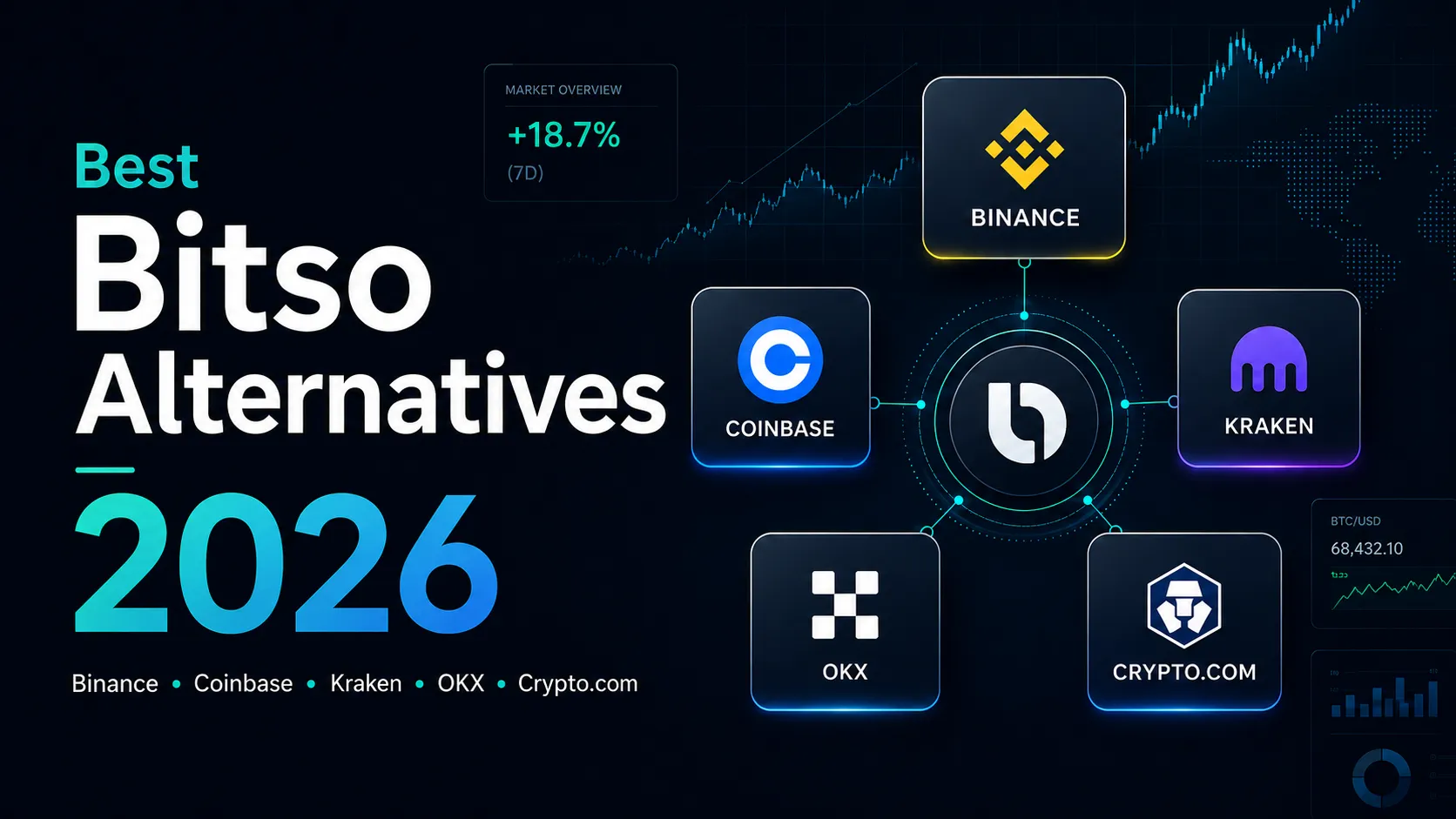
Bitso Security Compared With Other Exchanges
Bitso vs Binance Security
Binance offers a much larger global ecosystem with extensive security tools and insurance-related initiatives.
Bitso focuses more on regional compliance and Latin American users.
Bitso vs Coinbase Security
Coinbase has a strong reputation in regulated markets, especially the United States.
Bitso provides a more localized experience for Latin American users.
Bitso vs OKX Security
OKX provides advanced trading products and Web3 services.
Bitso focuses more on simplicity, accessibility, and regional crypto adoption.
Is Bitso Safe for Beginners?
Bitso Safety for New Crypto Users
For beginners, Bitso can be considered a relatively accessible platform because:
The interface is simple
It supports local currencies in several regions
It provides security features
It follows KYC procedures
However, beginners should still learn basic crypto security principles before depositing significant funds.
Final Verdict: Is Bitso Safe in 2026?
Bitso remains one of the most recognized cryptocurrency exchanges in Latin America and has built its platform around security, compliance, and accessibility.
The exchange provides important protection features such as account security controls, identity verification, monitoring systems, and custody practices designed to protect user assets.
However, Bitso is still a centralized exchange, meaning users accept custodial risks when storing cryptocurrency on the platform.
For users in supported Latin American countries who need a regulated and beginner-friendly crypto exchange, Bitso can be a reasonable option.
For users who require advanced trading tools, maximum asset control, or extensive cryptocurrency selection, other platforms or self-custody solutions may be more suitable.